AI as a Tool in Design Education
A Systematic Review
DOI:
https://doi.org/10.82068/rwanbm28Keywords:
Artificial Intelligence, Design Pedagogy, Systematic Literature Review, Generative AI, AI LiteracyAbstract
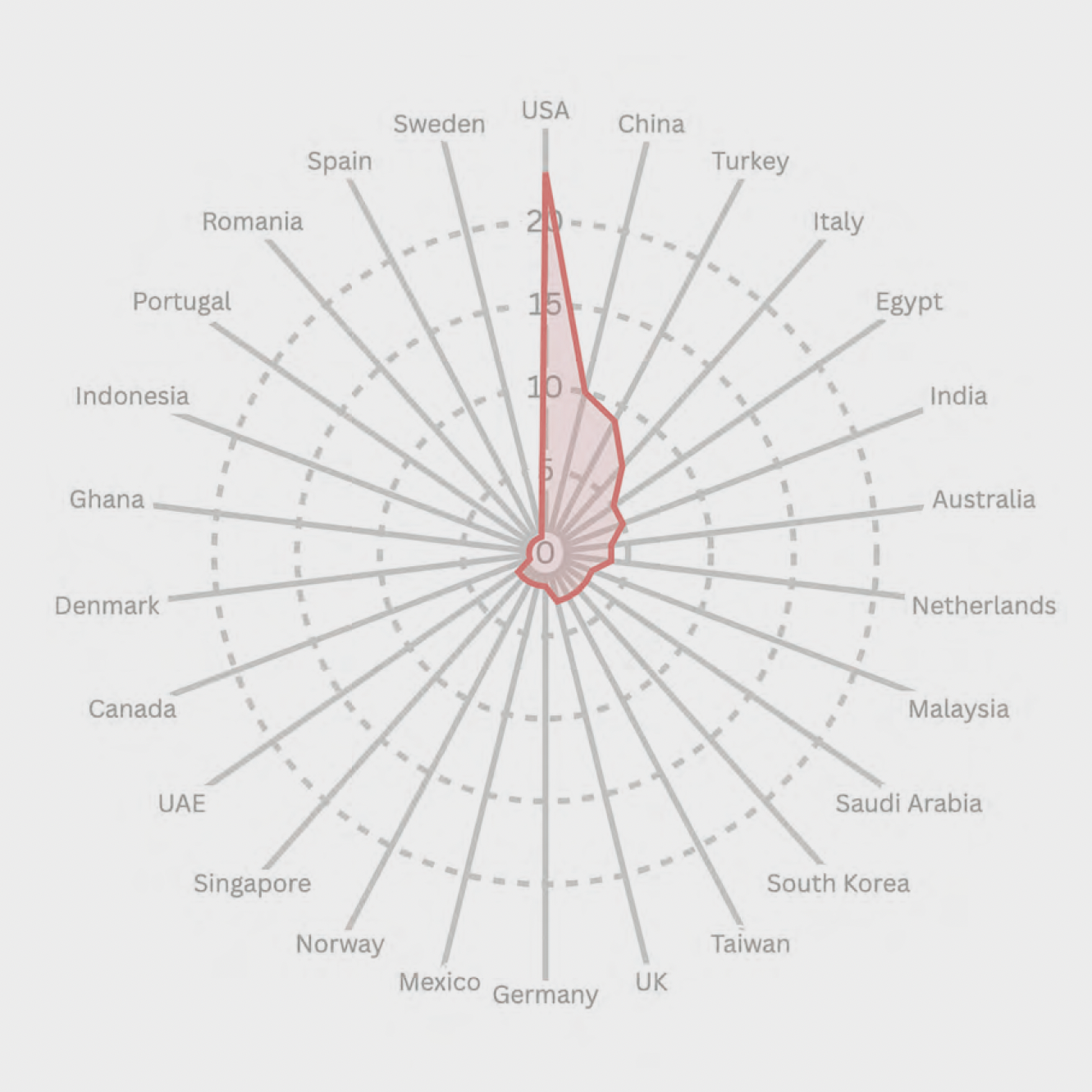
Artificial intelligence has existed in various forms for decades, yet only large language models (LLMs) have turned AI's impact into a widespread concern for design practice. This article presents a systematic literature review, conducted per PRISMA 2020 guidelines, examining generative AI's integration into design education following its rapid public adoption after 2022, situating this development against earlier, more technically mediated AI in design dating to the 1950s. From an initial search yielding 605 records, of which 557 remained after duplicates were removed, 100 met the inclusion criteria; 91 were published between 2023 and 2025, a concentration this review treats as a substantive feature of the field rather than a scope limitation. The review's contribution is twofold: empirically, it synthesizes the pedagogical approaches, disciplinary patterns, and persistent gaps documented in the corpus; theoretically, it interprets these findings against the UNESCO Recommendation on the Ethics of Artificial Intelligence (2021), identifying where design education's emergent priorities align with, and diverge from, an internationally recognized standard for AI ethics and literacy. Findings show generative AI is used predominantly in early-stage ideation, that AI literacy is widely called for but inconsistently defined, and that ethics and equity remain comparatively underdeveloped as research concerns, most notably against UNESCO's dedicated provisions on fairness, non-discrimination, and gender. These insights are especially relevant for educators and design practitioners navigating AI's integration into curricula and studios, and for the broader design community confronting AI's socio-technical implications.
References
Downloads
Published
Issue
Section
License
Copyright (c) 2026 Progetto Grafico Journal

This work is licensed under a Creative Commons Attribution-NonCommercial-ShareAlike 4.0 International License.