No. 42 (2026): Design Under Attack. Politics, Values and Responsibility Principles
Issue 42 of Progetto Grafico appears at a historical moment and within a geopolitical context marked by numerous international conflicts and a condition of profound political, social, and economic instability, in which ethical principles such as democracy, the sovereignty of peoples, inclusivity, equality, tolerance, and sustainability are being seriously called into question. In this scenario, communication design, in its capacity as translator of contents, device for access to knowledge, vehicle of information, and means of persuasion, finds itself invested with new responsibilities and deep antinomies: to serve the new political strategies, or to pursue the ethical values linked to progress and the common good that have inspired it for many decades. Drawing on a topic proposed jointly by Valeria Bucchetti and Gianni Sinni, the volume addresses the theme Design Under Attack. Politics, Values and Responsibility Principles, interrogating the role and the epistemic, ethical, and operative statute of communication design in the face of a global context marked by growing inequalities, migration crises, regressions of civil rights, climate catastrophes, and information warfare.
The selected contributions explore the ways in which visual communication design can be configured as a form of militancy, an act of resistance, an instrument of critical information, and a device for the construction of alternative imaginaries. The central question concerns the non-neutrality of the discipline with respect to the contextual conditions in which it operates, and the necessity of a firm stance on the foundational ethical issues of advanced democracies. The volume documents how communication design constitutes an intrinsically political practice, capable both of serving the logics of power, control, and manipulation, and of operating as an agent for breaking dominant codes and a vehicle for new visions of the future, restoring to the designer a condition of hyper-responsibility in managing the forms and contents of contemporary communication.
In the "Frame" section, Valeria Bucchetti & Gianni Sinni develop a profound theoretical and critical reflection on communication design understood as an intrinsically political practice, problematising, without hypocrisy, the rhetoric of "design for good" and the complicity of the project in the logics of power within the scenario of the platform society and the expansion of artificial intelligence.
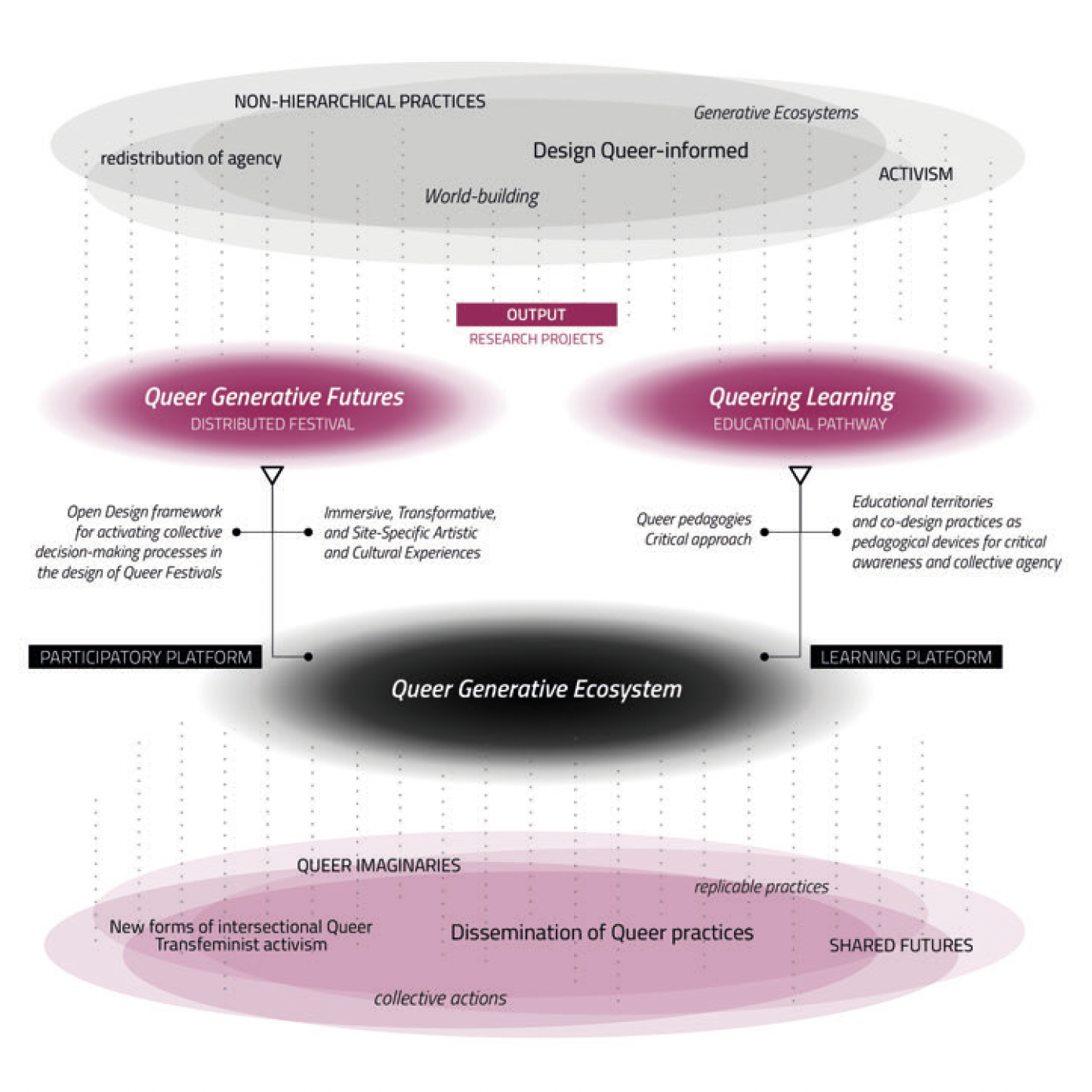
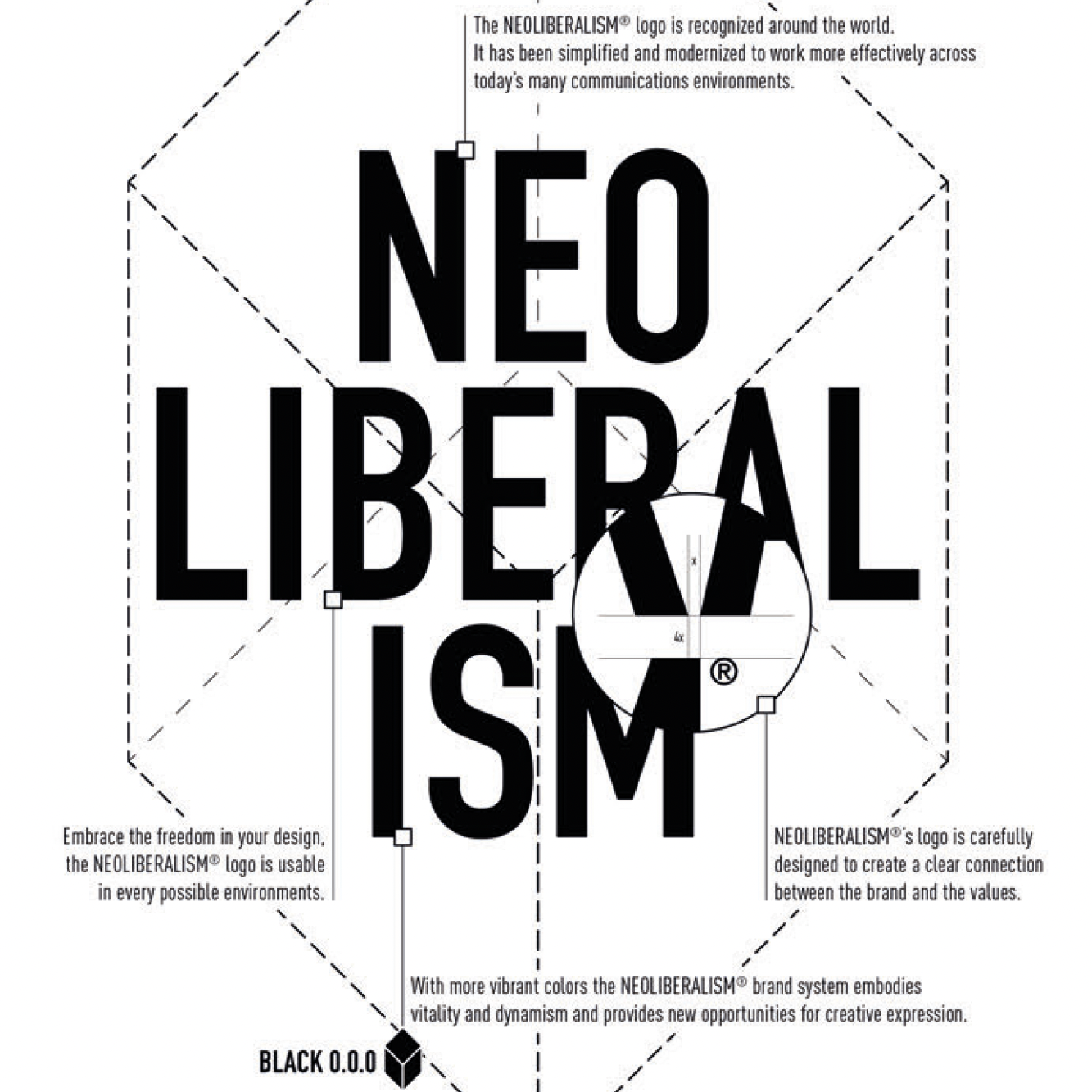
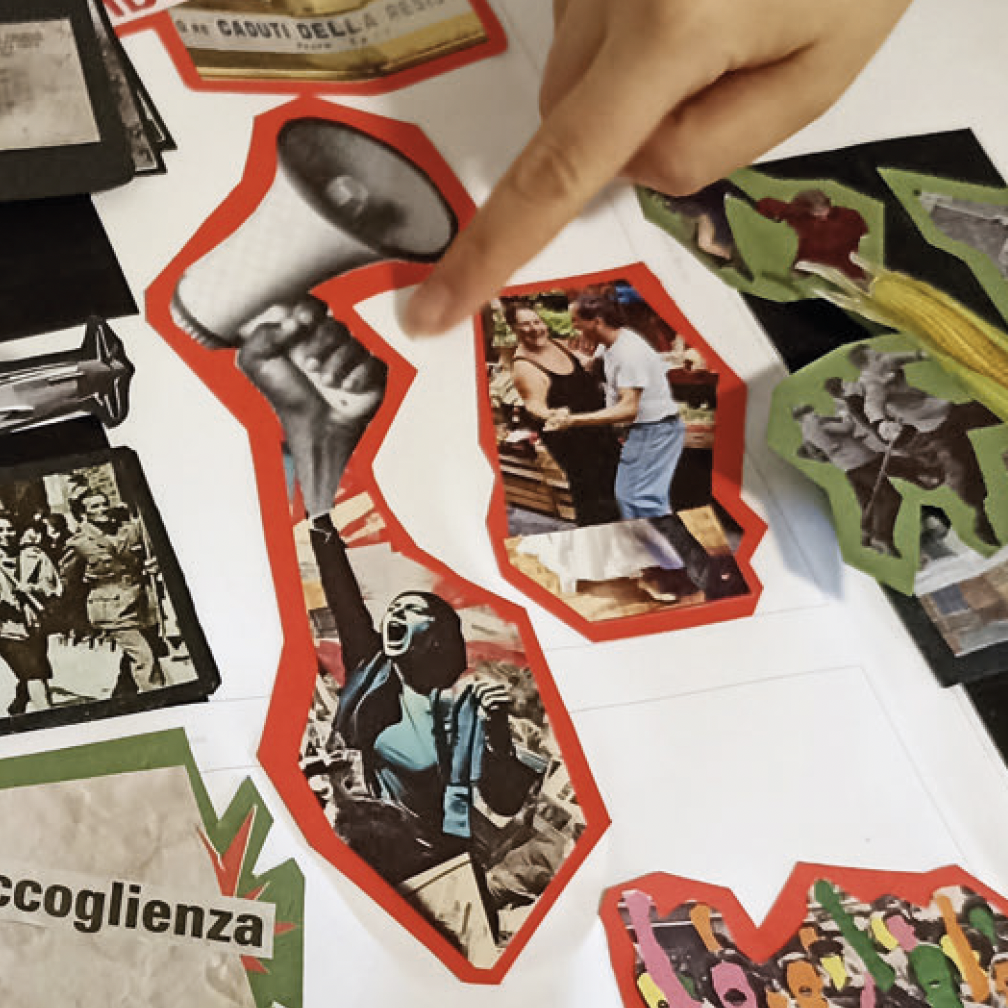
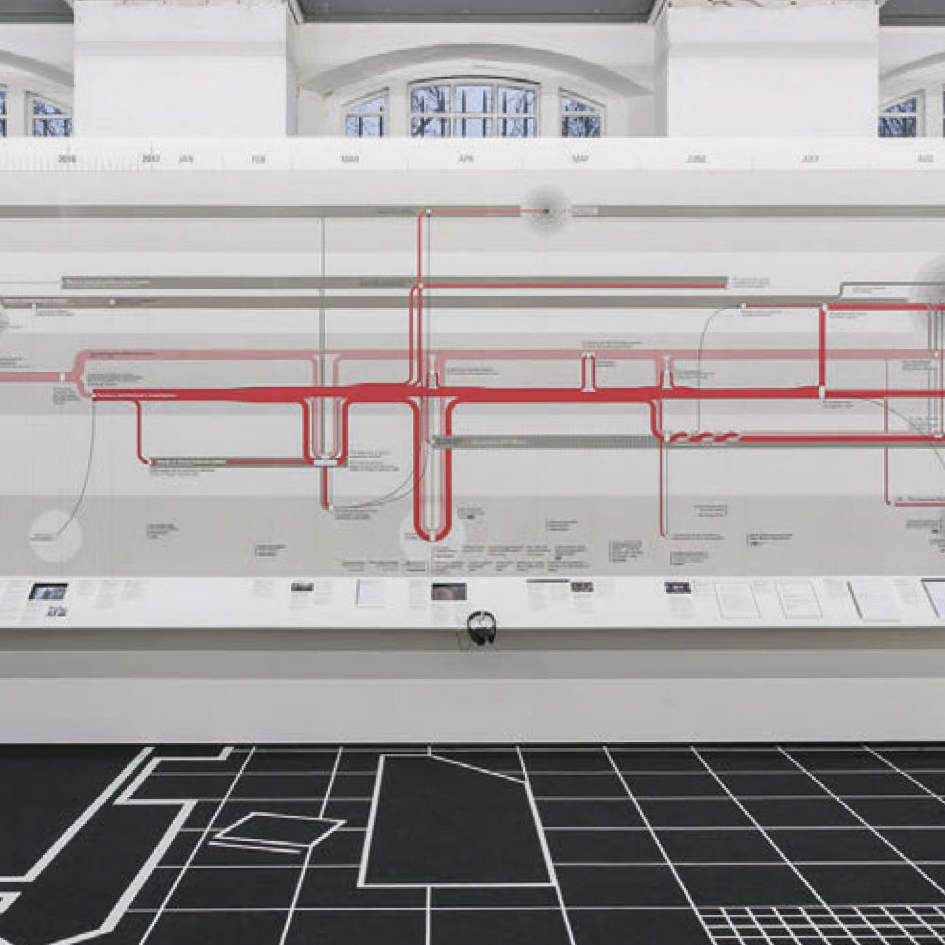
In the "Research" section, the manipulatory potential of communication design aimed at producing legitimation and consensus connects the contributions of Jim Pieretti, who experimentally verifies to what extent graphic design applied to the political press can influence the formation of public opinion, Lucia Lamacchia, who analyses the devices through which the contemporary gaze is constructed, from an interdisciplinary perspective drawing on design, art history, philosophy, and anthropology, and Raissa D'Uffizi, who proposes a critical taxonomy of the graphic design of the covers of La Rivista Illustrata del Popolo d'Italia (1923–1943) as an instrument of fascist consensus-building. Counteracting actions and resistance through design are instead at the centre of the contributions by Alessio Caccamo, Alessandra Carrubba, Mirko Bonfiglio & Caterina Vettraino, who elaborate the concept of semiotic disobedience as a civic and projective act, through the grassroots remediation of artefacts capable of evading algorithmic censorship, Clorinda Sissi Galasso & Anna Contro, who propose design as an act of mnestic resistance capable of countering the erosion of collective memory, Francesco E. Guida, Enrico Isidori & Claudia Tranti, who present the outcomes of teaching workshops at Politecnico di Milano grounded in an antidisciplinary approach as a form of epistemic resistance, and Irene Fiesoli, Denise de Spirito, Eleonora D'Ascenzi & Gabriele Pontillo, who investigate open design and queer-informed critical pedagogies as devices for social activation and cultural transformation. The relationship between communication design and space connects the contributions of Teresa Pedretti, Pietro V. Ambrosini & Letizia Bollini— who read participatory urban transformation as an arena in which design can assume an ethical and radical role as an alternative to neoliberal logics, Diletta Damiano, who interprets design as an agonistic practice aimed at making visible the conflicts that structure public space, tested through collective mapping experiments, and Carlotta Belluzzi Mus & Gaia Casaldi, who focus on the museum institution as a space permeable to power dynamics and on the role of design in constructing counter-narratives.
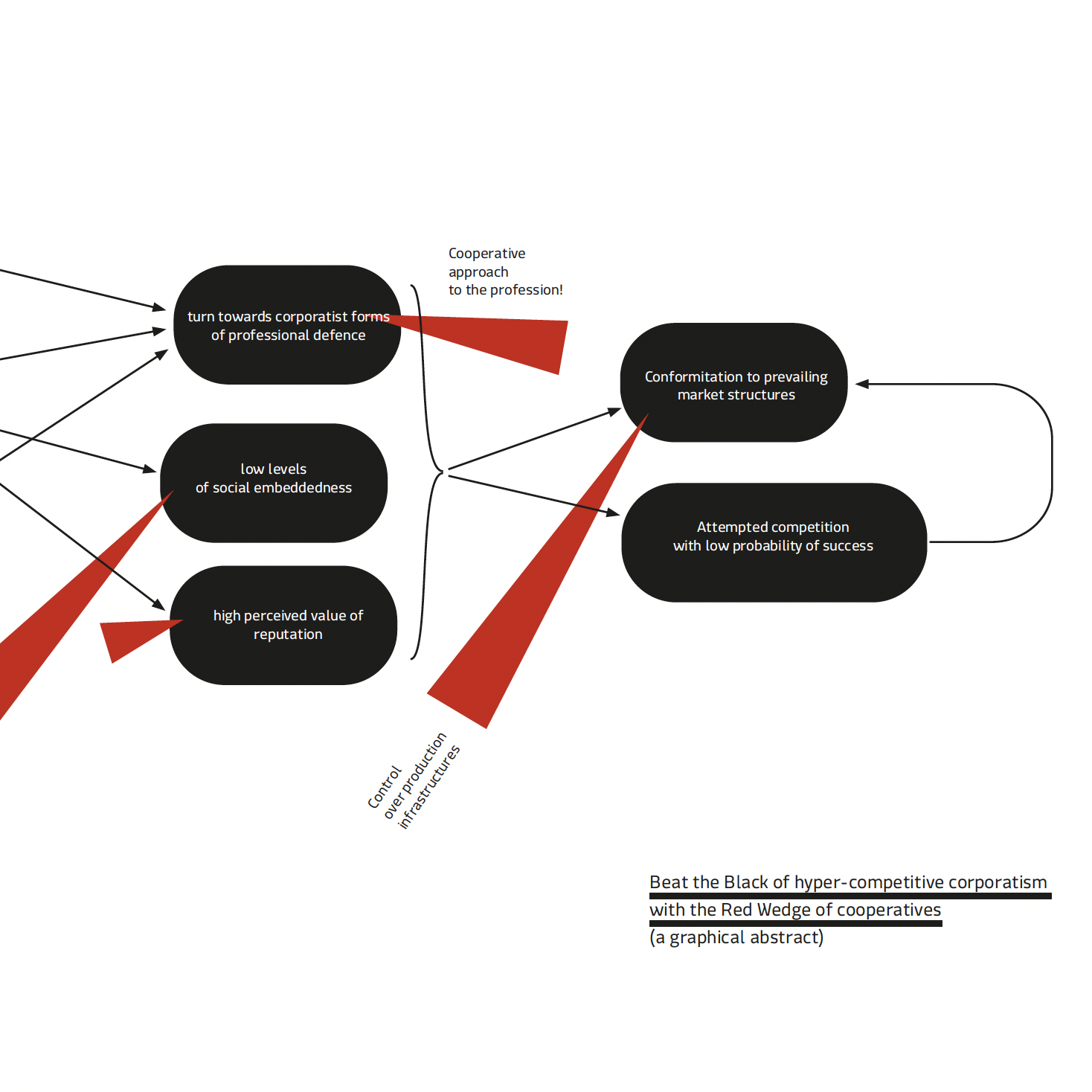
In the "Visualize" section, Luciano Perondi, Tommaso Guariento & Giampiero Dalai systematically present and visualise diverse cooperative models among designers, exploring professional structures capable of ensuring stable incomes and greater rights protection. This is followed by a visual essay by William Graziani, drawn from his master's thesis research, on code-switching as an adaptive practice commonly adopted by minority and queer communities in a profoundly unequal world.
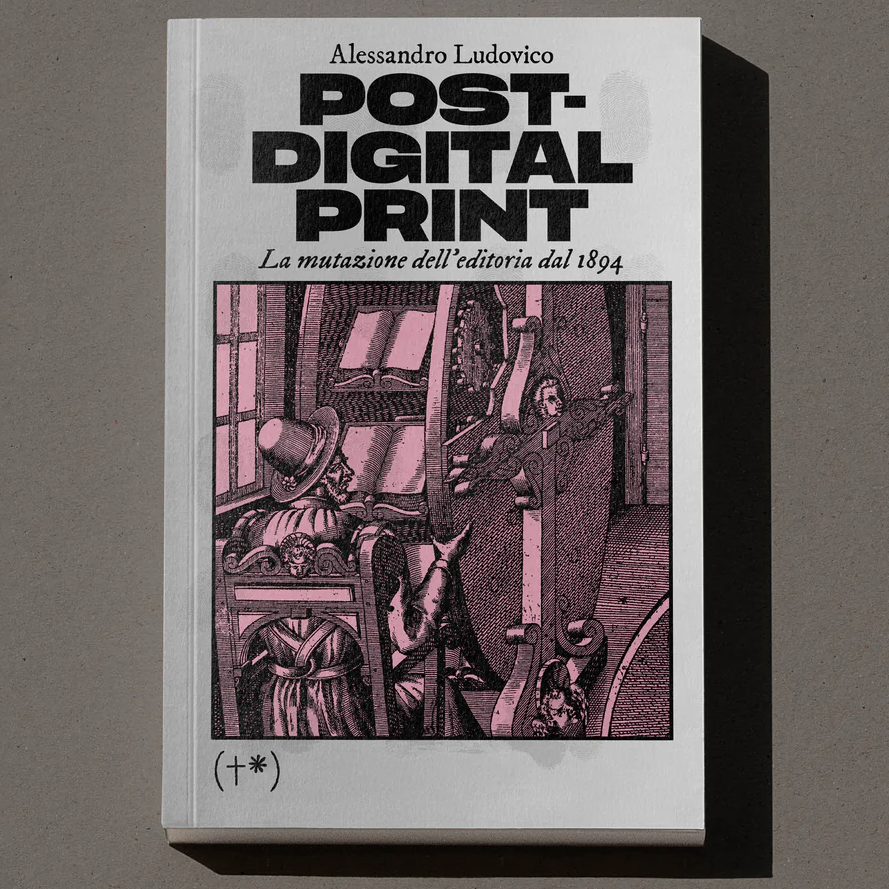
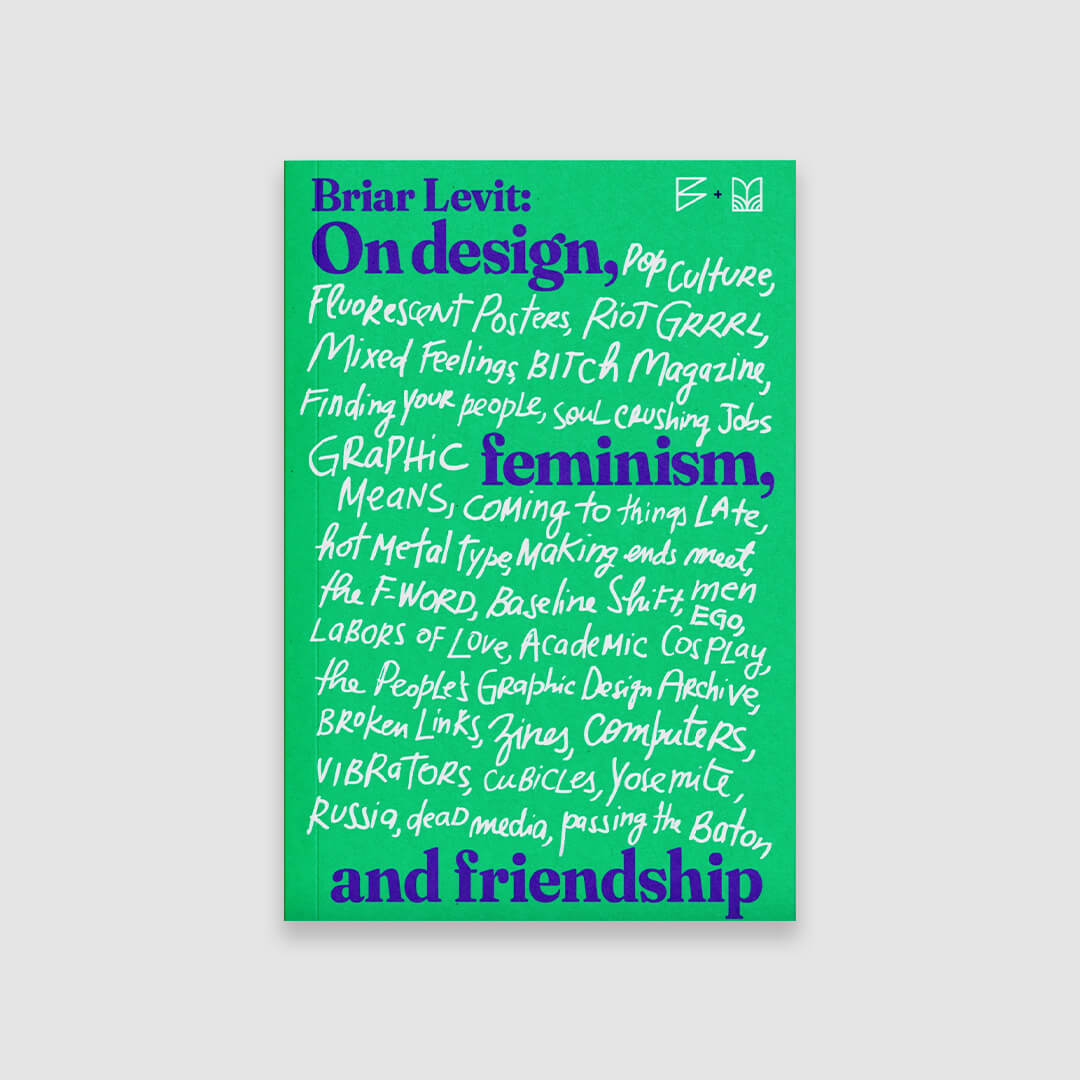
In the "Discover" section, two texts closely connected to the issue's theme are reviewed: Alessandro Ludovico's Post-digital Print. The Mutation of Publishing since 1894, reviewed by Alessandra Clemente, on analogue publishing as a form of resistance capable of engaging with the digital context; and Briar Levit's On Design, Feminism, and Friendship— reviewed by Monica Pastore, on the intersection of graphic design and feminism as an urgent act of political and social militancy.